"Dream, Dream, Dream! Conduct these dreams into thoughts, and then transform them into action."
- Dr. A. P. J. Abdul Kalam
"Dream, Dream, Dream! Conduct these dreams into thoughts, and then transform them into action."
- Dr. A. P. J. Abdul Kalam
13 Apr 2026
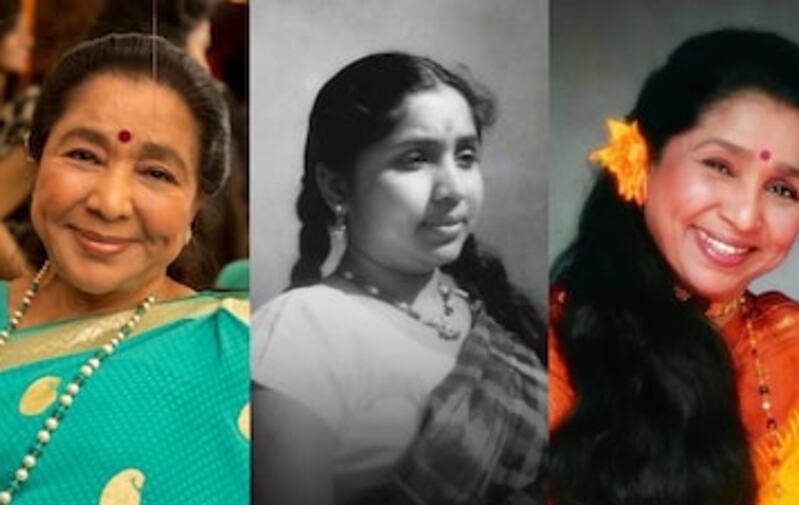
“Abhi na jaao chhodkar…” today, these words feel heavier than ever. They sound less like a romantic plea and more like a nation’s silent wish. But time has moved on, and India has bid farewell to one of its most cherished voices. Asha Bhosle is no more. At the age of 92, her passing marks not just the end of a life but the closing of a golden chapter in Indian music history.
There are singers, and then there are voices that become emotions. Asha Bhosle belonged to the latter. Her songs were not just heard; they were felt. From romantic melodies to energetic dance numbers, from ghazals to devotional songs, she could transform her voice into any emotion. Born into the legendary Mangeshkar family, alongside her sister Lata Mangeshkar, Asha’s journey began with struggle. After losing her father at a young age, music became a means of survival. What started as necessity slowly turned into a legacy that would shape Indian cinema forever.
In her early years, Asha Bhosle often remained in the shadows. The industry was already dominated by established voices, and she was given smaller opportunities. But what made her different was her determination to grow. Her turning point came with music director O. P. Nayyar, who recognized her unique voice and gave her bold, refreshing songs. With hits like “Aaiye Meharbaan,” she carved her own identity. She later worked with legendary composers like Sachin Dev Burman and formed an iconic partnership with Rahul Dev Burman. Together, they created timeless music that still resonates today.
Asha Bhosle redefined versatility in Indian music. At a time when singers were often typecast, she broke every boundary. She could sing a classical ghazal with depth and then deliver a Western-style cabaret song with equal ease. Her songs gave life to iconic performances from Helen’s dance numbers to soulful tracks in films like Umrao Jaan. Even in her later years, she continued to stay relevant with songs like “Rangeela Re.” Her voice evolved with time, but her magic remained constant.
Behind the legend was a woman who faced real struggles. From personal hardships to professional challenges, Asha Bhosle’s journey was not easy. But she turned every setback into strength. She believed in constant practice and once said that music was like breathing for her. Even in her later years, she continued performing and connecting with audiences. Beyond music, she was known for her warmth, her love for cooking, and her ability to connect with people. This human side made her even more loved.
What truly made Asha Bhosle a cultural phenomenon was not just her legacy but her ability to stay effortlessly relevant even among Gen Z. In an era dominated by remixes, reels, and rapid trends, she didn’t fade into nostalgia—she became a part of the present. Even in her later years, she would surprise audiences by singing contemporary songs, experimenting with modern sounds, and owning the stage with a confidence that artists half her age strive for. Her concerts were not just performances; they were experiences where generations met, where grandparents and teenagers sang along together. There was a certain swag in the way she carried herself, a fearless energy that made her feel both legendary and relatable at the same time. For Gen Z, she wasn’t just a classic voice from the past; she was a vibe, a cult icon who proved that true talent doesn’t age, it evolves.
The greatness of Asha Bhosle was not just felt in her music but formally recognized through some of the highest honours in India and across the world.
She was awarded the prestigious Dadasaheb Phalke Award in 2000, the highest recognition in Indian cinema, celebrating her lifelong contribution to the industry.
In 2008, the Government of India honoured her with the Padma Vibhushan, the nation’s second-highest civilian award, acknowledging her extraordinary impact on Indian culture.
Over the decades, she also won multiple National Film Awards and a record number of Filmfare Awards, including a Lifetime Achievement Award, further cementing her dominance in playback singing.
Beyond India, her legacy echoed globally when the Guinness World Records recognized her as the most recorded artist in music history, a testament to her unparalleled body of work. Each award she received was not just a trophy but a reflection of the emotions, memories, and generations she touched through her voice.
Asha Bhosle was not just a singer; she was a part of people’s lives. Her songs played during celebrations, heartbreaks, and everyday moments. She represented a perfect blend of tradition and modernity. Influenced by global music yet rooted in Indian culture, she connected with multiple generations. Her ability to adapt, experiment, and stay relevant made her timeless. With her passing, India has not just lost a singer—it has lost an era. Tributes from across the country reflect the deep impact she had on millions of lives. But legends never truly leave. They live on through their work. Every time her songs play, every time a melody touches the heart, Asha Bhosle will be there—alive, eternal, unforgettable. And so, those words echo once again, “Abhi na jaao chhodkar…” but this time, they carry both sorrow and gratitude. Because even though she is gone, her voice will stay with us forever.
This is just a glimpse into the magical world of Asha Bhosle a small selection from a treasure trove of thousands of songs she gifted to generations. Each track listed here captures a different shade of her voice, her versatility, and her timeless ability to connect with listeners. But the truth is, no table can ever fully contain her legacy. For every song mentioned, there are hundreds more waiting to be rediscovered, each carrying its own emotion, memory, and moment in time.
| Song | Film / Album | Year | Music Director | Why It’s Special |
|---|---|---|---|---|
| Aaja Aaja Main Hoon Pyar Tera | Teesri Manzil | 1966 | Rahul Dev Burman | High-energy Western style, revolutionary for its time |
| O Haseena Zulfon Wali | Teesri Manzil | 1966 | Rahul Dev Burman | Iconic dance number with timeless appeal |
| Piya Tu Ab To Aaja | Caravan | 1971 | Rahul Dev Burman | Bold, sensuous, and unforgettable cabaret song |
| Dum Maro Dum | Hare Rama Hare Krishna | 1971 | Rahul Dev Burman | Youth anthem that defined an era |
| Yeh Mera Dil | Don | 1978 | Kalyanji-Anandji | Stylish and seductive classic |
| Dil Cheez Kya Hai | Umrao Jaan | 1981 | Khayyam | Soulful ghazal, National Award-winning |
| In Aankhon Ki Masti | Umrao Jaan | 1981 | Khayyam | Pure classical elegance |
| Mera Kuch Saamaan | Ijaazat | 1987 | Rahul Dev Burman | Deeply poetic and emotional |
| Rangeela Re | Rangeela | 1995 | A. R. Rahman | Youthful comeback, full of energy |
| Tanha Tanha | Rangeela | 1995 | A. R. Rahman | Sensual and modern vibe |
| Radha Kaise Na Jale | Lagaan | 2001 | A. R. Rahman | Classical-meets-folk brilliance |
| Chura Liya Hai Tumne | Yaadon Ki Baaraat | 1973 | Rahul Dev Burman | Romantic evergreen favorite |
| Aaiye Meharbaan | Howrah Bridge | 1958 | O. P. Nayyar | Vintage charm and elegance |
| Yeh Hai Reshmi Zulfon Ka Andhera | Mere Sanam | 1965 | O. P. Nayyar | Seductive melody, timeless |
| Jaiye Aap Kahan Jayenge | Mere Sanam | 1965 | O. P. Nayyar | Playful and melodious classic |

Writing about what truly matters, good news and stories to remind the world - it is brighter than we think.