"Dream, Dream, Dream! Conduct these dreams into thoughts, and then transform them into action."
- Dr. A. P. J. Abdul Kalam
"Dream, Dream, Dream! Conduct these dreams into thoughts, and then transform them into action."
- Dr. A. P. J. Abdul Kalam
10 Mar 2026
The shores of Maharashtra’s Konkan coast recently witnessed a heartwarming natural spectacle. During the 2024–25 nesting season, nearly 1.71 lakh Olive Ridley sea turtle hatchlings were successfully released into the Arabian Sea, thanks to a large-scale conservation effort led by forest officials, volunteers, and coastal communities. This remarkable achievement highlights the growing success of turtle conservation initiatives in the region. Out of 2,74,842 eggs protected, around 1,71,245 hatchlings safely emerged and reached the sea, resulting in an impressive 62 percent hatching success rate. The initiative covered 2,929 turtle nests across three key districts of Maharashtra’s Konkan region—Raigad, Ratnagiri, and Sindhudurg—all of which are known for their rich coastal biodiversity.
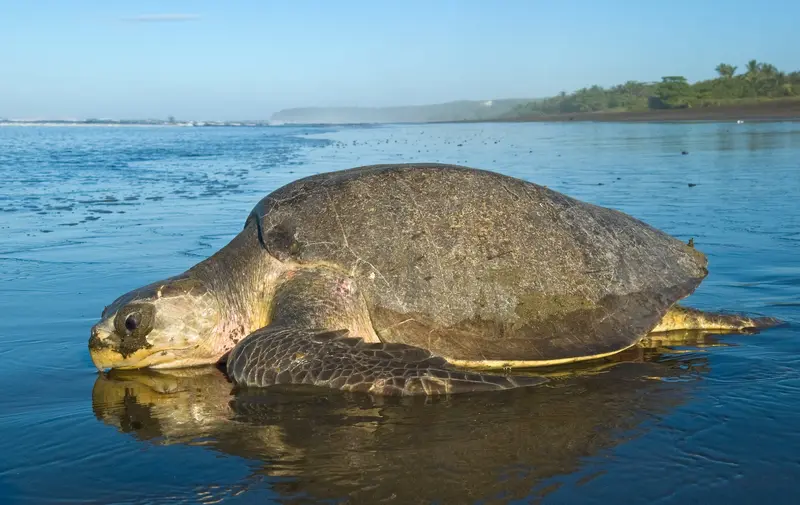
The Olive Ridley sea turtle (Lepidochelys olivacea) is one of the most widely distributed sea turtles in the world. However, it is also considered vulnerable due to threats such as habitat loss, coastal development, pollution, and accidental capture in fishing nets. Every year, female Olive Ridley turtles return to sandy beaches to lay eggs, often travelling thousands of kilometres across oceans. Once the eggs hatch, the tiny turtles instinctively crawl towards the sea, beginning their life-long journey in the ocean. However, this journey is filled with danger. Natural predators, artificial lighting, beach erosion, and human interference can significantly reduce survival rates. This is why conservation programmes are crucial in helping more hatchlings safely reach the ocean.
One of the most remarkable aspects of the Konkan conservation effort is the strong collaboration between forest officials, local volunteers, and coastal villagers. During the nesting season from November to May, volunteers patrol beaches to identify turtle nests. Once a nest is found, the eggs are carefully protected in designated hatcheries to ensure they remain safe from predators and human disturbances. After about 45 to 60 days, when the eggs hatch, volunteers release the tiny turtles into the sea, often during early morning or evening hours to minimise risk. For many villagers and children living along the coast, watching hundreds of tiny hatchlings crawl toward the sea is both an emotional and inspiring moment.
Among the three districts involved in the conservation programme, Sindhudurg district recorded the highest hatching success rate of 77.47 percent. The district’s relatively cleaner beaches, dedicated volunteers, and effective monitoring contributed significantly to the success of the programme. Ratnagiri and Raigad districts also played an important role, collectively protecting thousands of nests and ensuring the safe release of hatchlings. Together, these districts have transformed the Konkan coastline into an important conservation zone for Olive Ridley turtles. Encouragingly, the conservation momentum has already continued into the 2025–26 nesting season. As of early March 2026, officials have recorded 1,182 turtle nests, and 1,874 hatchlings have already been safely released into the Arabian Sea. This early progress indicates that the conservation programme is becoming stronger each year, with increasing participation from local communities and environmental groups. Experts believe that if the current pace continues, the next season could achieve even higher success rates.
Conservation programmes for sea turtles involve a combination of scientific monitoring and community participation. Experts carefully record data about nest locations, egg numbers, incubation periods, and hatchling success rates. This information helps researchers understand turtle migration patterns and nesting behaviour. Hatcheries are often created slightly above the high tide line to protect eggs from flooding. Eggs are placed in controlled environments that mimic natural conditions, allowing them to develop safely. Such methods significantly increase the chances of hatchlings surviving their early life stages.
The success along Maharashtra’s Konkan coast is part of a larger national effort to conserve Olive Ridley turtles. Across India, major nesting sites such as Odisha’s Gahirmatha and Rushikulya beaches host mass nesting events known as “arribada,” where thousands of turtles lay eggs simultaneously. States like Goa, Karnataka, Tamil Nadu, and Andhra Pradesh have also implemented similar conservation initiatives, combining scientific research with community participation. Together, these efforts are helping improve survival rates and protect one of the ocean’s most fascinating species. As conservation programmes continue to expand along India’s coastline, the sight of tiny turtles making their first journey into the sea will remain a powerful reminder of nature’s resilience and humanity’s responsibility to protect it.

Romanticizing life and shaping stories from everything I see through my journalistic lens. Also, I love sports on the side.