"Dream, Dream, Dream! Conduct these dreams into thoughts, and then transform them into action."
- Dr. A. P. J. Abdul Kalam
"Dream, Dream, Dream! Conduct these dreams into thoughts, and then transform them into action."
- Dr. A. P. J. Abdul Kalam
5 May 2026
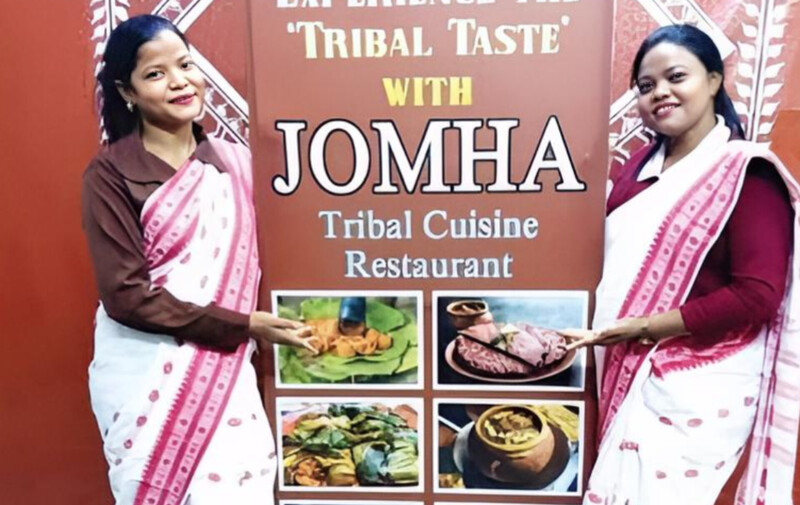
In a quiet corner of Rourkela in Odisha, a small restaurant is doing something extraordinary. It is not just serving food; it is telling stories. Stories of forests, festivals, family kitchens, and forgotten recipes. At Jomha, every dish carries the essence of the Ho tribal community, reimagined for a modern world yet deeply rooted in its origins. Founded by sisters Lalita Samad and Reeta Samad, Jomha is more than a business. It is a cultural movement, one that seeks to preserve indigenous flavours while giving them a space in contemporary dining.
The journey of the Samad sisters is as inspiring as the food they serve. Lalita, an MBA graduate, once worked in the insurance sector, while Reeta, with a BEd degree, shared her sister’s dream of building something meaningful. Like many young professionals, they initially followed conventional career paths. But deep within, there was always a desire to create something of their own. The turning point came after the economic disruptions caused by the COVID-19 pandemic. Lalita returned to Rourkela, and together, the sisters began to reflect on their roots. Growing up, they had learned the art of tribal cooking, a tradition passed down through generations. Yet, they realized that authentic tribal cuisine was rarely available in its true form. That realization became their purpose.
In May 2025, Jomha was born. The name itself, meaning “food” in the Ho language, reflects the simplicity and authenticity at the heart of their vision. Starting with a modest 600 sq ft space, the sisters focused on creating an experience rather than just a menu. Their idea was clear to build a bridge between tradition and modern dining. The interiors of Jomha reflect earthy aesthetics, echoing tribal homes and natural surroundings. The food, meanwhile, stays true to its roots while being presented in a way that appeals to today’s diners. This balance is not easy to achieve. It requires respect for tradition, creativity in presentation, and a deep understanding of both worlds. But the sisters have managed to do just that, creating a space where culture feels alive and accessible.
At Jomha, the dining experience goes beyond taste. It is about connection to heritage, to community, and to stories that are often overlooked. Each dish reflects the simplicity and richness of tribal life, using traditional ingredients and cooking methods that have stood the test of time. For many visitors, this is their first encounter with Ho tribal cuisine. The flavours are unfamiliar yet comforting, offering a glimpse into a culinary tradition that has long remained in the shadows of mainstream food culture. The response has been overwhelmingly positive. In less than a year, Jomha has gained popularity not just among locals but also among food enthusiasts seeking something authentic and meaningful.
What makes Jomha even more special is its impact beyond the dining table. As the business grew, the sisters expanded their team to include 13 staff members, most of whom belong to tribal communities. Today, the restaurant is not just a workplace—it is a platform for empowerment. From cooking to management, the journey has been hands-on. In the early days, Lalita and Reeta handled everything themselves, from preparing meals to cleaning utensils. That dedication laid the foundation for what Jomha has become today. Their chefs are also gaining exposure and recognition. Recently, three of them participated in a culinary event at the Institute of Hotel Management in Aurangabad, showcasing their skills and learning new techniques. It is a step forward not just for the restaurant but for tribal cuisine as a whole.
The efforts of the Samad sisters have not gone unnoticed. In September 2025, Jual Oram, Union Tribal Affairs Minister and Member of Parliament from Sundargarh, visited Jomha. His appreciation highlighted the importance of preserving cultural heritage in a rapidly modernizing world. In a region where tribal entrepreneurship is still limited, especially outside traditional sectors, Jomha stands as a powerful example of what is possible. It challenges stereotypes, inspires others, and opens doors for more such ventures.
With plans to expand from 600 sq ft to 2,200 sq ft, the journey of Jomha is just beginning. But its core vision remains unchanged to celebrate, preserve, and share the beauty of tribal cuisine with the world. For Lalita and Reeta, success is not just about growth. It is about staying true to their roots while creating opportunities for others. It is about ensuring that the stories behind their food continue to be told. For every guest who walks into Jomha, the experience is more than a meal. It is a reminder that food has the power to connect us to our past, to each other, and to the world around us.
Romanticizing life and shaping stories from everything I see through my journalistic lens. Also, I love sports on the side.