"Dream, Dream, Dream! Conduct these dreams into thoughts, and then transform them into action."
- Dr. A. P. J. Abdul Kalam
"Dream, Dream, Dream! Conduct these dreams into thoughts, and then transform them into action."
- Dr. A. P. J. Abdul Kalam
1 Apr 2026
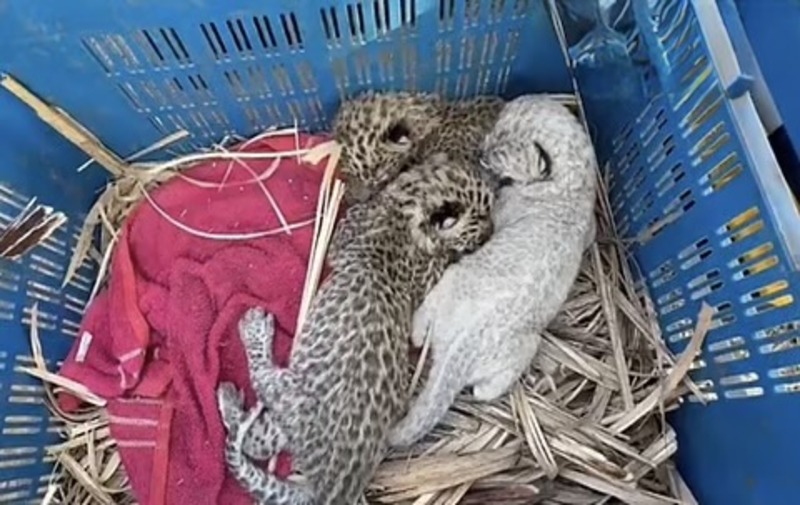
In a moment that feels almost magical, reports of white leopard cubs being spotted in Dindori have captured the attention of wildlife lovers across the country. Such sightings are extremely rare, making this discovery both exciting and significant. Nestled near Nashik, the region is known for its natural beauty and forest patches. But witnessing something as unique as white leopard cubs has elevated its importance in the world of wildlife conservation. For locals, it was not just a sighting; it was a moment of awe, curiosity, and pride.
Contrary to popular belief, white leopards are not a separate species. They are usually Indian leopards with a rare genetic condition known as “leucism.” Leucism causes a partial loss of pigmentation, resulting in a pale or white appearance while still retaining some natural markings. This is different from albinism, where there is a complete absence of pigment. Because of this genetic rarity, white leopards are extremely uncommon in the wild. Spotting cubs with such characteristics makes the event even more extraordinary, as it suggests the possibility of a unique genetic lineage in the area.
The sighting of white leopard cubs is more than just a visual wonder; it is an important ecological indicator. It suggests that the forests around Dindori still provide a safe and thriving habitat for wildlife. Leopards are known to be highly adaptable, often living close to human settlements. However, the birth and survival of cubs, especially rare ones, indicate a healthy ecosystem with sufficient prey and minimal disturbance. This discovery also draws attention to the biodiversity of the Nashik region, which often goes unnoticed compared to larger wildlife reserves.
For residents of Dindori, this rare sighting has become a story to tell for generations. Villagers, farmers, and nature enthusiasts have expressed a mix of excitement and curiosity. Some have described the moment as surreal, catching a glimpse of a pale, almost glowing cub moving through the forest. Others see it as a blessing, a sign of nature’s presence and power. But alongside excitement, there is also a growing awareness. People are beginning to understand the importance of protecting these animals and their habitat. Deforestation, urban expansion, and climate change continue to threaten wildlife habitats across India. Each rare sighting becomes a wake-up call—a reminder that what we have today may not exist tomorrow if not protected.
India has made significant progress in wildlife conservation, especially with species like tigers and elephants. However, lesser-highlighted animals like leopards also need attention. Conservation is not just the responsibility of governments and organizations it is a shared duty. Simple actions like respecting wildlife boundaries, reducing waste, and supporting conservation initiatives can make a difference. The forests around Nashik now hold a special responsibility to protect these rare cubs and ensure their survival.
There is something deeply emotional about such discoveries. In a fast-paced world driven by technology, moments like these reconnect us with nature. They remind us that beyond cities and screens, there is a world full of wonder where life continues to evolve in ways we are still discovering. For children hearing this story, it sparks curiosity. For adults, it brings a sense of responsibility. For everyone, it offers a moment to pause and appreciate the beauty of the natural world. The discovery of white leopard cubs in Dindori is a rare gift from nature—one that fills us with wonder and responsibility. It is a reminder that even in familiar landscapes, extraordinary stories are waiting to be found. But more importantly, it teaches us that protecting these stories is in our hands. Because sometimes, the rarest beauty in the world is also the most fragile.
Romanticizing life and shaping stories from everything I see through my journalistic lens. Also, I love sports on the side.