"Dream, Dream, Dream! Conduct these dreams into thoughts, and then transform them into action."
- Dr. A. P. J. Abdul Kalam
"Dream, Dream, Dream! Conduct these dreams into thoughts, and then transform them into action."
- Dr. A. P. J. Abdul Kalam
2 Apr 2026
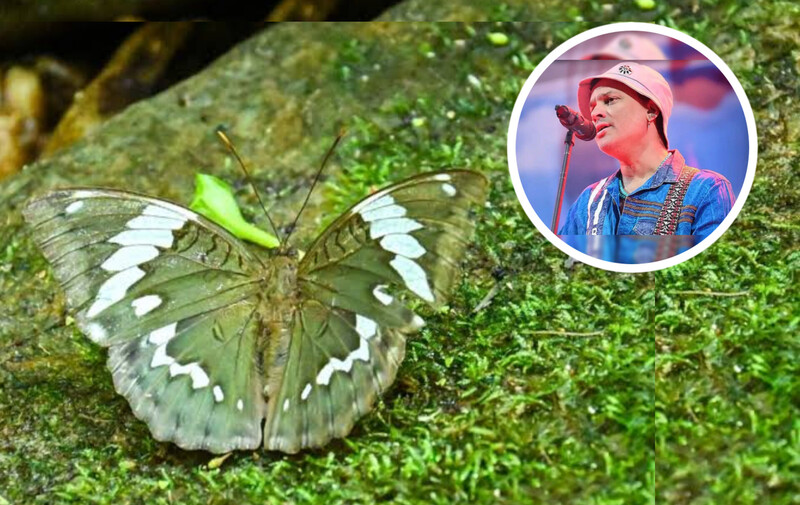
Deep within the lush, semi-evergreen forests of Arunachal Pradesh, a remarkable discovery has added a new chapter to India’s rich biodiversity. In the Leparada district, researchers identified a previously unknown species of butterfly, now scientifically named Euthalia zubeengargi. This discovery is not just a scientific milestone but also a cultural tribute, as the butterfly has been named after Zubeen Garg, one of Northeast India’s most celebrated artists. It is a rare moment where nature and human creativity come together in a beautiful and meaningful way.
The butterfly was discovered during field surveys conducted in 2025 by researchers Roshan Upadhaya from RIMT University, Punjab, and Kalesh Sadasivan of the Travancore Natural History Society. Their findings were later published in Entomon, a reputed journal by the Association for Advancement of Entomology. What makes this discovery even more fascinating is its rarity. Despite months of observation, only two male individuals were documented, one collected as a specimen and another captured through photography in the wild. This suggests that the species could either be extremely rare or limited to a very specific habitat.
India’s northeastern region is considered a biodiversity hotspot, and this discovery further highlights its ecological richness. With over 80 species of the Euthalia genus already recorded in the region, the addition of Euthalia zubeengargi reinforces the importance of continued exploration and conservation. Discoveries like this are not just about adding names to a list. They help scientists understand ecosystems better, track environmental changes, and identify areas that need urgent protection. The fact that only two individuals were found raises concerns about the species’ survival. It could be vulnerable to habitat loss, climate change, or human interference. This makes conservation efforts even more crucial.
Naming a species after a person is a significant honor in the scientific world. In this case, dedicating the butterfly to Zubeen Garg adds a deeply human and emotional layer to the discovery. Zubeen Garg is not just a singer; he is a cultural icon in Northeast India. His music, deeply rooted in regional identity, has inspired millions. By naming this butterfly after him, researchers have created a lasting tribute that connects art, culture, and nature. It also reflects how individuals can influence not just society but also inspire recognition in unexpected fields like science.
While discoveries bring excitement, they also come with responsibility. The forests of Arunachal Pradesh, home to this rare butterfly, face threats from deforestation, infrastructure development, and climate change. Protecting these habitats is essential not just for butterflies but for countless other species that remain undiscovered. Conservation is no longer just an environmental issue; it is about preserving heritage, identity, and the future of our planet. The naming of a new butterfly species after Zubeen Garg is a beautiful blend of science and sentiment. It celebrates biodiversity while honoring human creativity and cultural influence. As this rare butterfly flutters through the forests of Arunachal Pradesh, it carries with it a story of discovery, pride, and the deep connection between humans and the natural world.

Writing about what truly matters, good news and stories to remind the world - it is brighter than we think.