"Dream, Dream, Dream! Conduct these dreams into thoughts, and then transform them into action."
- Dr. A. P. J. Abdul Kalam
"Dream, Dream, Dream! Conduct these dreams into thoughts, and then transform them into action."
- Dr. A. P. J. Abdul Kalam
12 May 2026
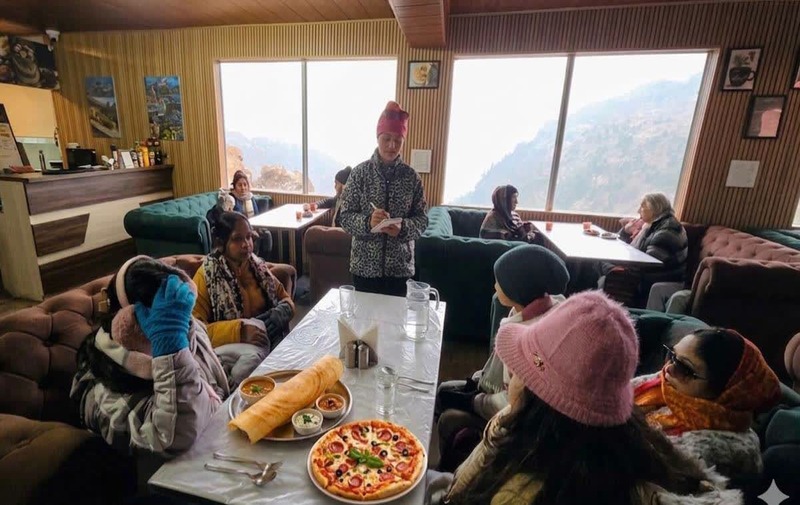
At nearly 13,000 feet above sea level, where icy winds sweep across the mountains of East Sikkim and oxygen levels drop sharply, a quiet revolution is taking shape. Not through weapons or warfare, but through steaming cups of tea, local hospitality, and the determination of women determined to carve a future in the Himalayas.
Near the revered Baba Harbhajan Singh Memorial Temple, the Indian Army has facilitated the establishment of a women-led café that is rapidly becoming a symbol of empowerment and resilience in India’s border regions.
Operated entirely by a local women’s team, the café stands tall amid the rugged terrain, proving that entrepreneurship can flourish even in some of the country’s harshest environments.
The initiative has been conceptualised and facilitated by the Trishakti Corps in coordination with local administration and community stakeholders.
The project forms part of the broader Ranbhoomi Darshan initiative, aimed at promoting tourism in strategically significant border areas while also showcasing the cultural and historical richness of the region.
According to Defence Spokesperson Lt. Col. Mahendra Rawat, the café is expected to significantly improve the experience for pilgrims and tourists visiting the shrine, one of East Sikkim’s most prominent destinations. But beyond tourism, the initiative carries a deeper purpose—creating sustainable livelihoods for women living in remote mountain communities.
In border villages where employment opportunities are often limited and harsh weather conditions make survival difficult, the café is emerging as a source of income, dignity, and independence.
The women managing the establishment are not merely serving refreshments. They are becoming ambassadors of local culture and symbols of self-reliance in a region where opportunities can be scarce.
The café also reflects a growing focus on inclusive development in frontier areas. By linking tourism with livelihood generation, the initiative aims to encourage more visitors to explore East Sikkim while ensuring that local communities directly benefit from the increased footfall.
For travellers heading toward the shrine, the café offers warmth and comfort amid freezing temperatures. But for the women behind the counter, it represents something far greater—confidence, visibility, and a chance to shape their own future.
At one of India’s highest tourist locations, this modest café now stands as a powerful example of military-civil collaboration and grassroots empowerment. It is also a powerful reminder that empowerment can rise even in the toughest terrains.
.jpeg)
I have a Masters in Literature and a knack for spotting the silver lining! When I’m not chasing good news, you’ll find me nurturing my farm or lost in a good book.